
7 Hidden Causes of Water Damage in Southwest Florida Homes (That Aren’t Storms)
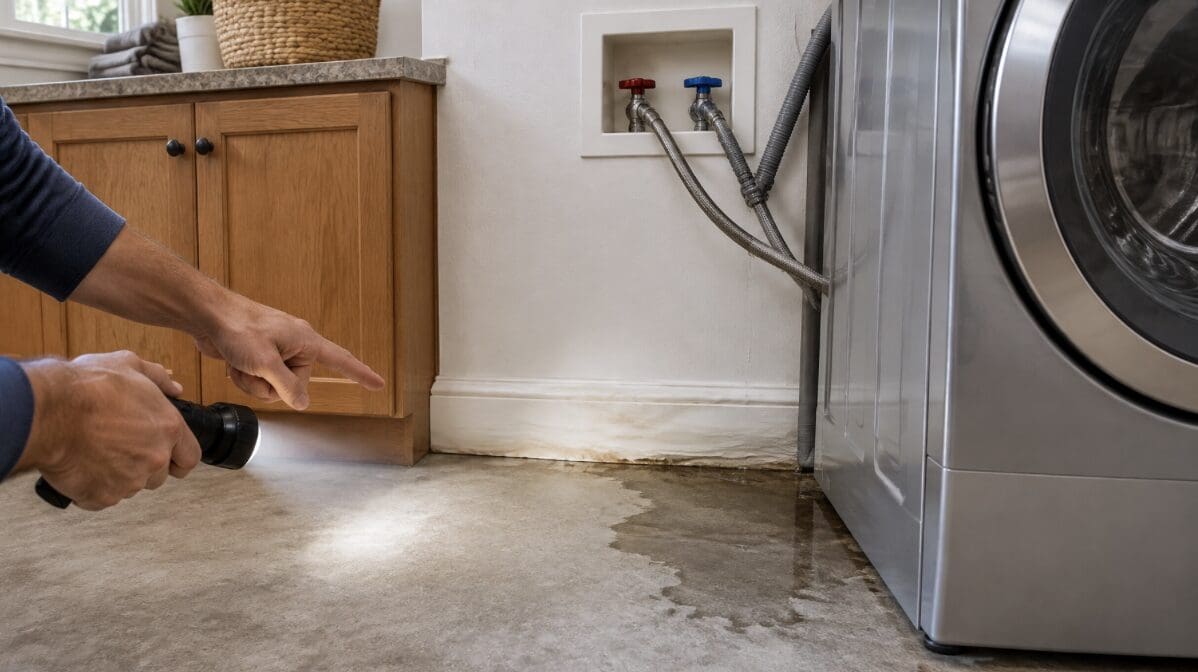

Storms get the blame, but everyday failures can quietly can cause water damage in your home, too. Slow plumbing leaks, clogged AC drain lines, and appliance problems are common sources of hidden moisture in Southwest Florida. If you notice a musty smell, unexplained stain, or soft flooring, act promptly: early water damage restoration in Florida can help limit damage to your home and belongings.
October often marks the transition toward Southwest Florida’s drier season, but less rain doesn’t mean your home is safe from leaks or indoor humidity. Here are seven non-storm causes to look for, and practical steps to take if you find one.
7 hidden causes of water damage in Southwest Florida homes
1. Slow leaks under sinks and behind appliances
A loose fitting beneath a kitchen or bathroom sink can drip into the cabinet for weeks. Washing machines, dishwashers, refrigerators with ice makers, and other appliances can also leak from a supply hose, drain, or worn seal. Since cabinets and appliances hide the water, damage may spread into baseboards, flooring, or the subfloor before you see it.
Check below sinks and around appliance connections for dampness, discoloration, swelling, or a musty odor. Carpets and cabinet bases are like sponges: they can hold moisture long after the surface looks dry.

2. Clogged air-conditioner condensate lines
Your AC removes moisture from indoor air. That water should drain outside through a condensate line, but algae, sludge, or debris can block the line. When it can’t drain, water may back up near the air handler, closet, ceiling, or nearby flooring.
Watch for standing water in the drain pan, a musty odor, a water stain near the unit, or an AC system that shuts off unexpectedly. Have an HVAC professional inspect the drain line and safety switch; recurring clogs deserve attention, not repeated guesswork.
3. AC drain pan failure
Even when the condensate line is clear, a cracked, rusted, or poorly positioned drain pan can let water escape. Because air handlers are often tucked away, a small failure may go unnoticed until moisture reaches drywall or the ceiling below.

4. Leaking irrigation lines and sprinkler overspray
An underground irrigation leak or misdirected sprinkler can keep soil and exterior walls persistently wet. Look for an unusually soggy patch of lawn, a sprinkler that sprays siding or a window, or wet pavement on a day without rain. An unexplained increase in water use may be another clue.
Run each irrigation zone and watch the heads, valves, and visible connections. Repair broken parts and redirect spray away from the house. Irrigation water can find its way through vulnerable exterior openings, so don’t ignore recurring dampness near a wall.
5. Hidden leaks in pipes and plumbing connections
A pinhole leak or loose fitting inside a wall, ceiling, or floor can wet insulation and framing without forming a visible puddle. Signs may include bubbling paint, a soft or cool patch of drywall, a persistent musty smell, or a water bill that rises without an obvious reason.
If you suspect a leak, check visible plumbing and shutoff valves, then monitor your water meter when no water is being used. A continuing change may warrant a plumber’s inspection. Avoid opening walls yourself if you don’t know where electrical wiring or plumbing runs.
6. Water-heater leaks and failures
Corrosion, worn connections, or a failing tank can release water in a garage, utility closet, or other tucked-away space. Check around the tank’s base and fittings for rust, drips, or a damp floor. A small leak can still affect nearby drywall, stored belongings, or flooring.

Have a qualified professional inspect and maintain the unit according to the manufacturer’s recommendations. If the tank is actively leaking, keep clear of electrical hazards and contact a plumber or restoration professional for guidance.
7. Humidity and condensation in a warm, humid climate
Not every moisture problem starts with a broken pipe. Warm, humid air can condense on cool surfaces, inside poorly ventilated rooms, or around air-conditioning components. Bathrooms and kitchens are especially vulnerable when exhaust fans are missing, underused, or vented improperly.
Use a hygrometer, a simple device that measures indoor relative humidity, to keep an eye on moisture levels. The Florida Department of Health’s mold guidance recommends keeping indoor humidity below 60%. Use kitchen and bathroom exhaust fans, maintain your AC, and address persistent condensation before it damages materials.
What should you do if you discover water damage?
Immediate action matters. If it’s safe, take these steps:
- Stop the source. Turn off the nearest water supply or main shutoff if you can do so safely. For an AC or irrigation leak, arrange for the relevant equipment or system to be checked.
- Protect people first. Avoid standing water near electrical outlets, appliances, or wiring. If you’re unsure whether an area is safe, stay out and call a qualified professional.
- Document what you see. Take photos of the source, visible damage, and affected belongings. Keep receipts for reasonable emergency measures.
- Don’t assume it’s dry. Water can travel behind cabinets, beneath flooring, or into wall cavities. Professional moisture detection can help identify damp areas you can’t see.
- Contact your insurer and a restoration professional. Keep records of your conversations and follow your policy’s instructions for reporting the loss.
Water damage restoration in Florida may involve inspection, water extraction, drying, dehumidification, cleaning, and repairs. The right plan depends on the source, how far the water traveled, and what materials were affected. The U.S. Environmental Protection Agency’s home maintenance guidance also recommends keeping an eye out for leaks and addressing moisture problems.
Why Southwest Florida homeowners call Sunset Home Specialists
Water damage is stressful, especially when you’re unsure what’s wet or what to do next. Sunset Home Specialists is a family-owned restoration team serving Southwest Florida since 1986. The team offers 24/7 emergency service and can help manage the insurance claim process from start to finish, including working directly with insurance companies.
For suspected damage, explore our water damage restoration services or contact Sunset Home Specialists. We serve Port Charlotte, Punta Gorda, North Port, Venice, Englewood, Sarasota, Arcadia, Fort Myers, Cape Coral, and Naples, as well as Charlotte County, Lee County, and Sarasota County.
Call (941) 276-4667 or (941) 258-8495 for assistance. Our address is 23270 Kim Avenue, Port Charlotte, FL 33954.
FAQs
Can water damage happen during Southwest Florida’s dry season?
Yes. Plumbing, appliances, water heaters, and AC systems can leak in any season. Humidity and condensation can also cause moisture problems indoors.
How can I tell if a leak is hidden behind a wall?
Look for a musty odor, discolored or bubbling paint, soft drywall, unexplained dampness, or a water bill that has increased without a clear reason. These signs don’t confirm the source, so a professional inspection may be needed.
Should I try to dry water damage myself?
You can remove small amounts of clean water if the area is safe, but damp materials can hold moisture out of sight. If water reached walls, flooring, cabinets, or insulation, or the source is unclear, contact a professional promptly.
Does Sunset Home Specialists help with insurance claims?
Yes. Sunset Home Specialists can help manage the claim process from start to finish and work directly with insurance companies. Contact the team to discuss your situation and next steps.
